What makes Downtown Rio different?
Downtown Rio is not a resort neighborhood. That is precisely why it can be interesting. It is the region where public transport, business services, historic buildings, cultural attractions and city infrastructure overlap. Investors should look at it as a practical urban income market, not only as a postcard market.
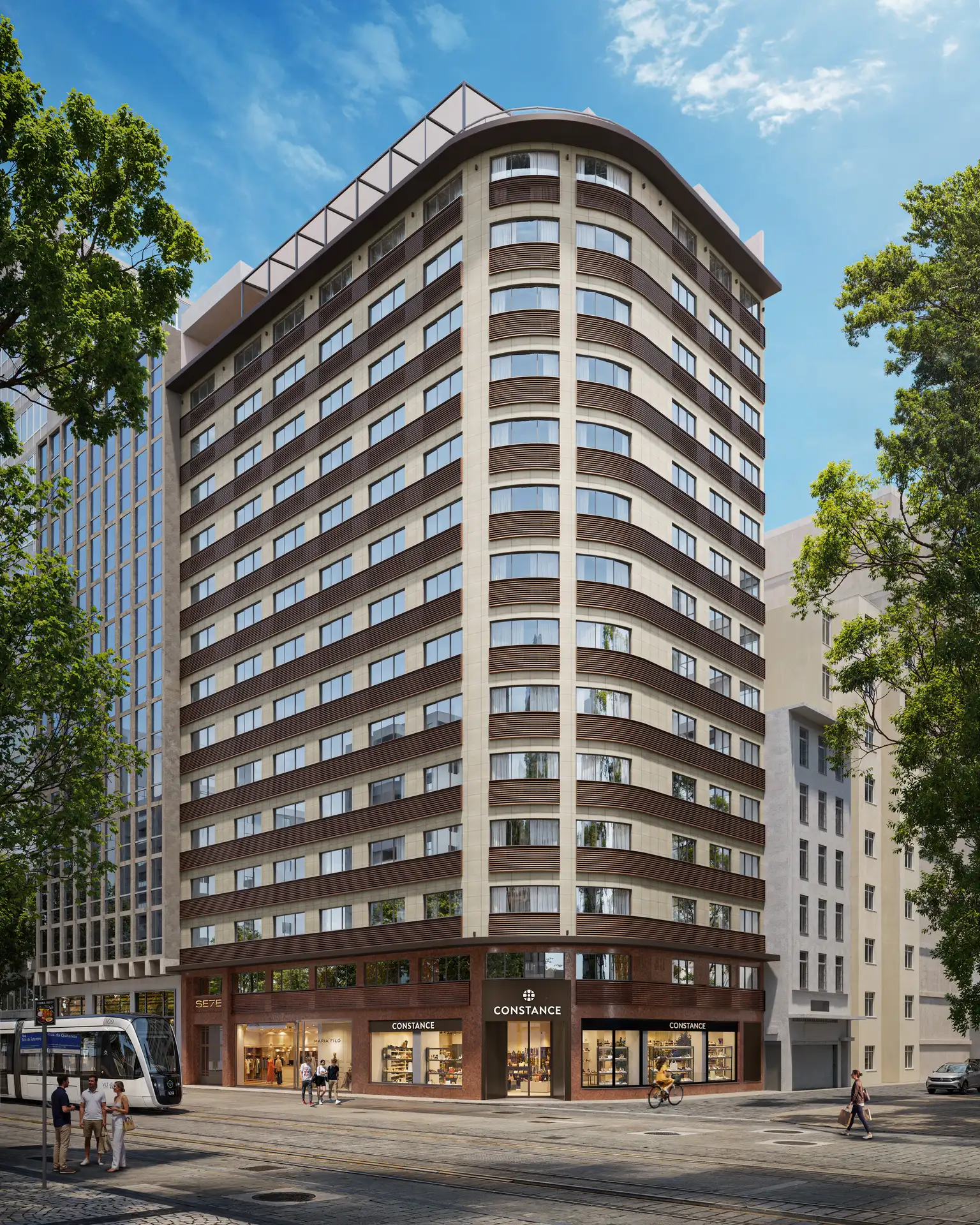
The area connects quickly to Santos Dumont Airport, the waterfront, museums, government buildings, offices, ferries, metro and VLT. For tenants and guests, this reduces friction. For investors, friction matters because a clear location story makes listings easier to understand.
The Downtown Rio investment thesis
A strong real estate investment thesis usually combines price, demand and future perception. Downtown Rio has all three in motion: a more accessible entry price than many prime coastal neighborhoods, multiple demand sources and a revitalization narrative supported by new residential projects.
- Corporate demand during weekdays.
- Cultural and leisure tourism during weekends and events.
- Public transport that reduces dependence on a car.
- Retrofit projects bringing new residential inventory to historic buildings.
Why compact units matter
Studios are easier to analyze because the investment variables are cleaner: entry price, payment flow, furnishing cost, monthly expenses and rental strategy. In a central location, compact units can serve residents, remote workers, business travelers and short-term guests.
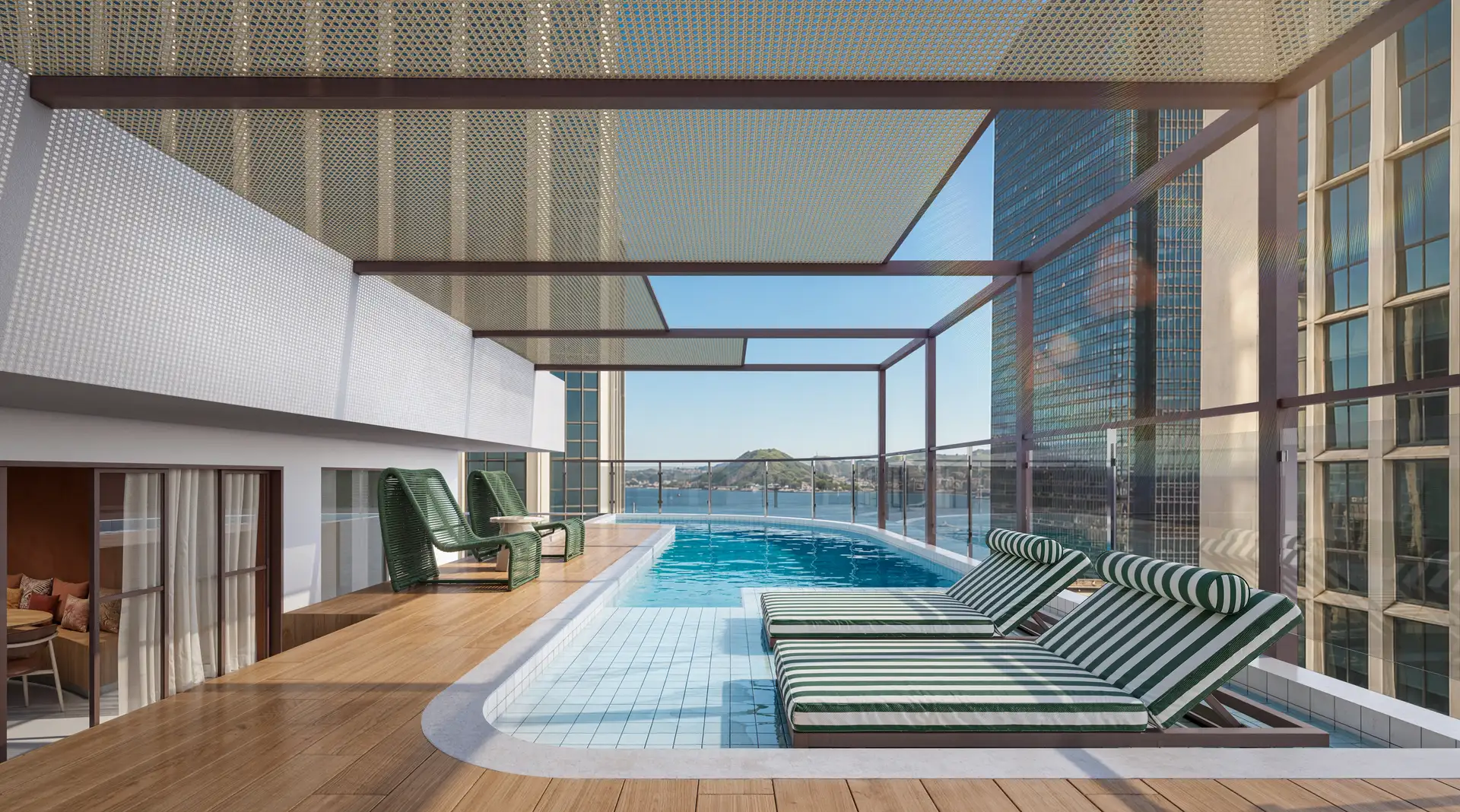
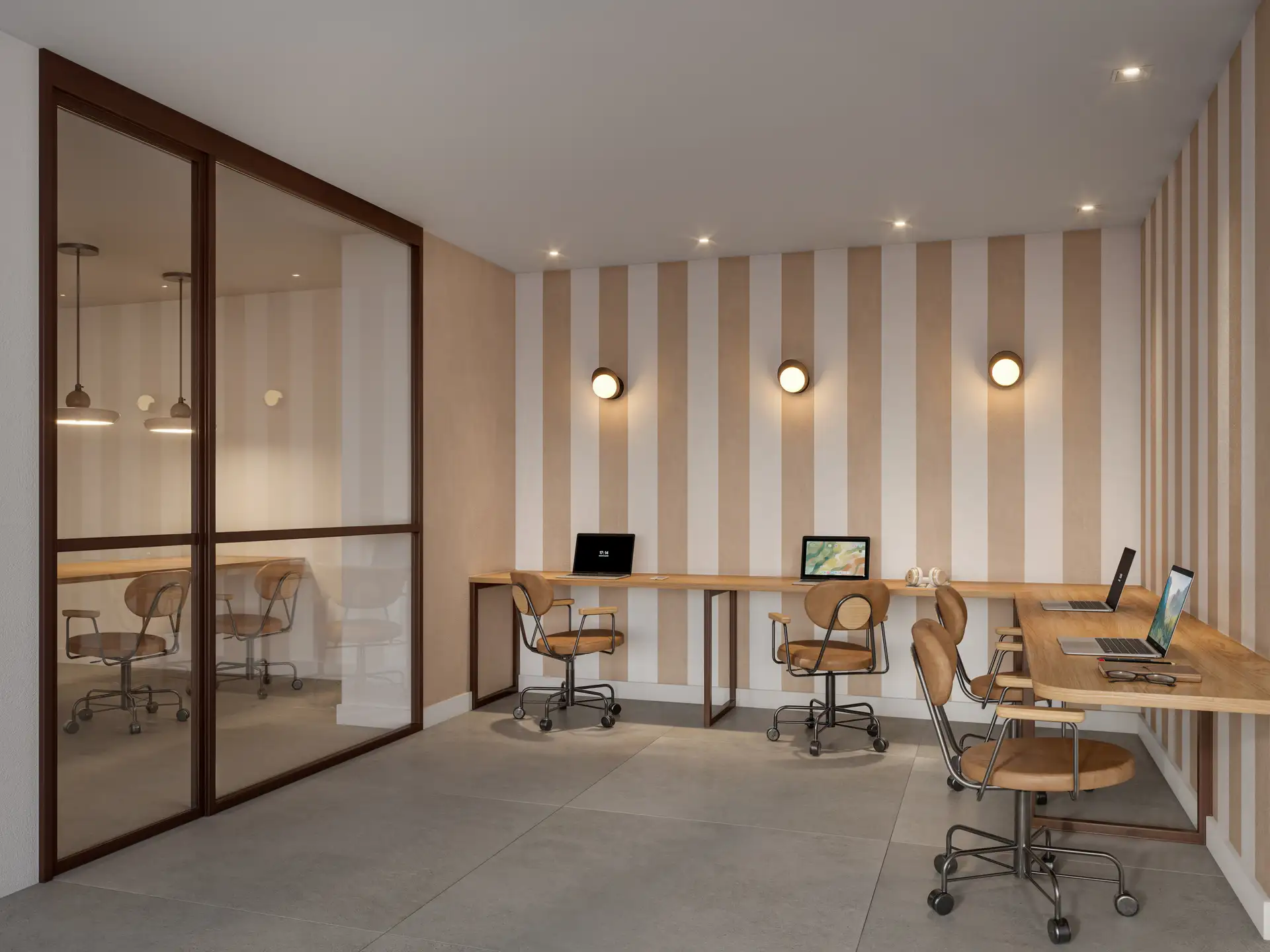
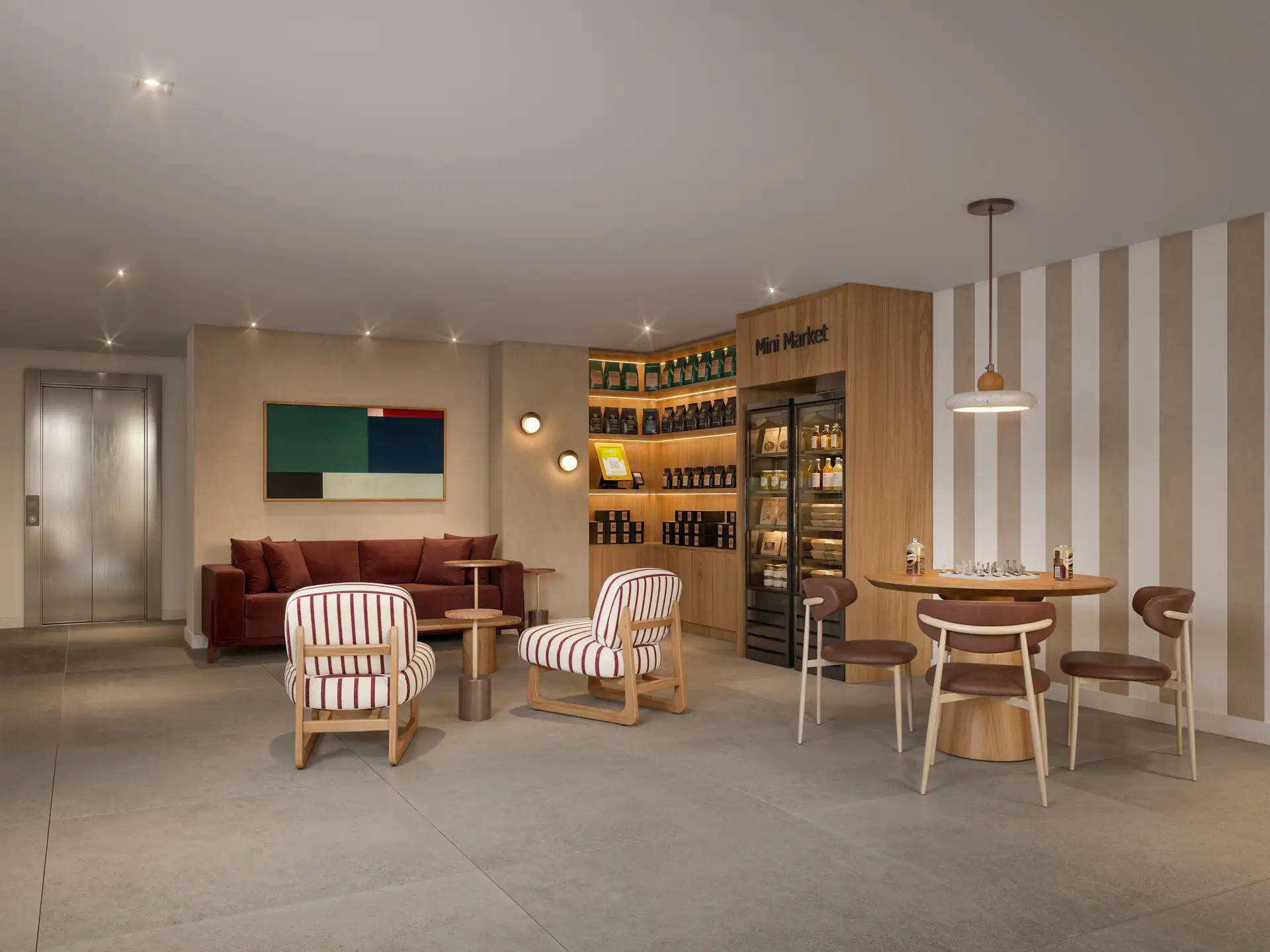
The best products are not just small; they are small with a story. A rooftop, gym, coworking, laundry and mini market create the kind of amenity package that helps a compact unit feel complete.